
Understanding the psychology behind gambling behaviors and decisions
The Roots of Gambling Behavior
Gambling behavior often stems from deep-seated psychological factors, including a desire for excitement and the allure of financial gain. Many individuals are drawn to the thrill of risk-taking, which can trigger a release of dopamine, the brain’s pleasure chemical. This chemical reaction can create a sense of euphoria, leading players to continue gambling despite potential losses. The anticipation of a big win often overshadows the reality of losing streaks, making it a complex psychological phenomenon. Players interested in online gambling can explore platforms like https://brangocasino-nz.org/ that offer engaging experiences.
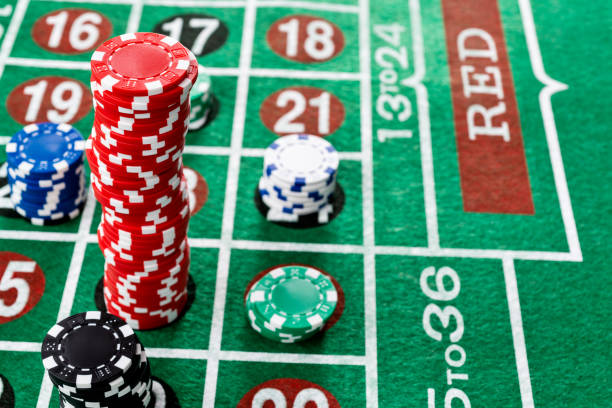
Additionally, social influences play a significant role in gambling behavior. Many people are introduced to gambling through friends or family, normalizing the activity in their social circles. This exposure can cultivate a belief that gambling is a standard recreational activity rather than a risky behavior. The social aspect also enhances the experience, as individuals often gamble in groups, sharing both the highs and lows together, thus reinforcing the habit.
Moreover, cognitive biases significantly impact gambling decisions. The illusion of control, for instance, can lead gamblers to believe they can influence outcomes in games of chance, such as slots or roulette. This skewed perception fosters a false sense of security, prompting individuals to engage in gambling longer than they may have intended. Understanding these cognitive distortions is crucial in recognizing the psychological traps that can ensnare even the most cautious individuals.
The Role of Emotions in Gambling
Emotions play a pivotal role in gambling behaviors and decisions. Players often gamble to escape negative emotions, such as stress or depression, seeking solace in the thrill of the game. The excitement of gambling can act as a temporary distraction from life’s challenges, providing an emotional high that some may find addictive. However, this coping mechanism can lead to a cycle of emotional dependency on gambling, where losses exacerbate negative feelings, pushing individuals to gamble more in a bid to reclaim lost funds.
The impact of positive emotions is equally significant. Winning can elevate mood and foster a sense of accomplishment, further motivating individuals to engage in gambling activities. This phenomenon is often compounded by the tendency to remember wins more vividly than losses. Gamblers may recall their victories with great detail, reinforcing the belief that they have a chance to win again, even when statistics suggest otherwise. This selective memory can perpetuate gambling habits and contribute to decision-making errors.
Additionally, the concept of “chasing losses” is a common emotional response among gamblers. After experiencing a loss, many feel compelled to continue playing in an effort to recover their previous stakes. This behavior can lead to greater financial distress, as the initial loss often becomes compounded by further risky decisions. Understanding the emotional triggers behind gambling can help individuals develop healthier coping mechanisms and mitigate compulsive behaviors.
The Influence of Cognitive Biases
Cognitive biases are inherent flaws in human thinking that can significantly affect gambling behaviors. One prominent bias is the gambler’s fallacy, where individuals believe that past events influence future outcomes. For example, a gambler may think that a slot machine is “due” for a payout after a series of losses, despite each spin being an independent event. This misguided reasoning can lead to increased betting and subsequent losses, as the gambler overestimates their chances of winning.
Another common cognitive bias is the overconfidence effect. Gamblers often overestimate their knowledge or skills in a given game, leading to poor decision-making. For instance, a player who believes they can predict the outcome of a blackjack game may not fully consider the odds, placing them at a disadvantage. This overconfidence can result in larger bets and a tendency to ignore sound gambling principles.
Availability heuristic also plays a role in gambling decisions. Gamblers often base their decisions on easily recalled experiences or stories of big wins. These memorable instances overshadow the countless losses and failures that occur, creating a distorted view of reality. By focusing on high-profile wins rather than the average experience, individuals may develop an unrealistic expectation of success, prompting them to gamble more frequently and aggressively.
Social and Environmental Influences
The environment in which gambling occurs can significantly influence behaviors and decisions. Casinos are designed with bright lights, enticing sounds, and a lack of clocks or windows to create an immersive experience that encourages prolonged play. This sensory overload can heighten excitement and impair judgment, leading individuals to gamble for longer periods than intended. The atmosphere is engineered to keep players engaged, often making it difficult to recognize how much time and money is being spent.
Social interactions within gambling settings can also affect behavior. Peer pressure and social reinforcement can compel individuals to gamble in ways they might not otherwise consider. The desire to fit in or impress friends can lead to increased betting and risky behaviors. Moreover, the communal experience of gambling can amplify the thrill, making it more difficult for individuals to walk away, especially in environments where winning is celebrated.
Furthermore, the proliferation of online gambling platforms has changed the landscape of gambling behaviors. The accessibility of games from home can reduce the social stigma associated with gambling, allowing individuals to engage without the scrutiny of others. This anonymity can lead to higher risks of compulsive gambling behaviors, as players may feel less accountable for their actions. Understanding these social and environmental factors is essential in addressing the psychological aspects of gambling.

Brango Casino: A Safe Gaming Experience
Brango Casino exemplifies a commitment to providing a responsible gaming environment for its players. With a vast selection of over 160 premium games, the platform not only offers entertainment but also emphasizes fair play and transparency. By prioritizing player safety, Brango Casino ensures that individuals can enjoy gaming without falling prey to harmful gambling behaviors.
The casino also integrates features to promote responsible gaming. These tools allow players to set limits on their spending and playing time, helping them maintain control over their gambling activities. By fostering a culture of awareness, Brango Casino aids players in recognizing the psychological aspects of gambling, empowering them to make informed decisions.
Furthermore, with quick and secure transactions, including cryptocurrency withdrawals, Brango Casino aims to provide a seamless gaming experience. This focus on user-friendly interactions not only enhances enjoyment but also contributes to a more responsible gambling environment. Players can feel confident that they are engaging in a fair and enjoyable experience, reflecting the casino’s dedication to supporting their well-being while they play.